
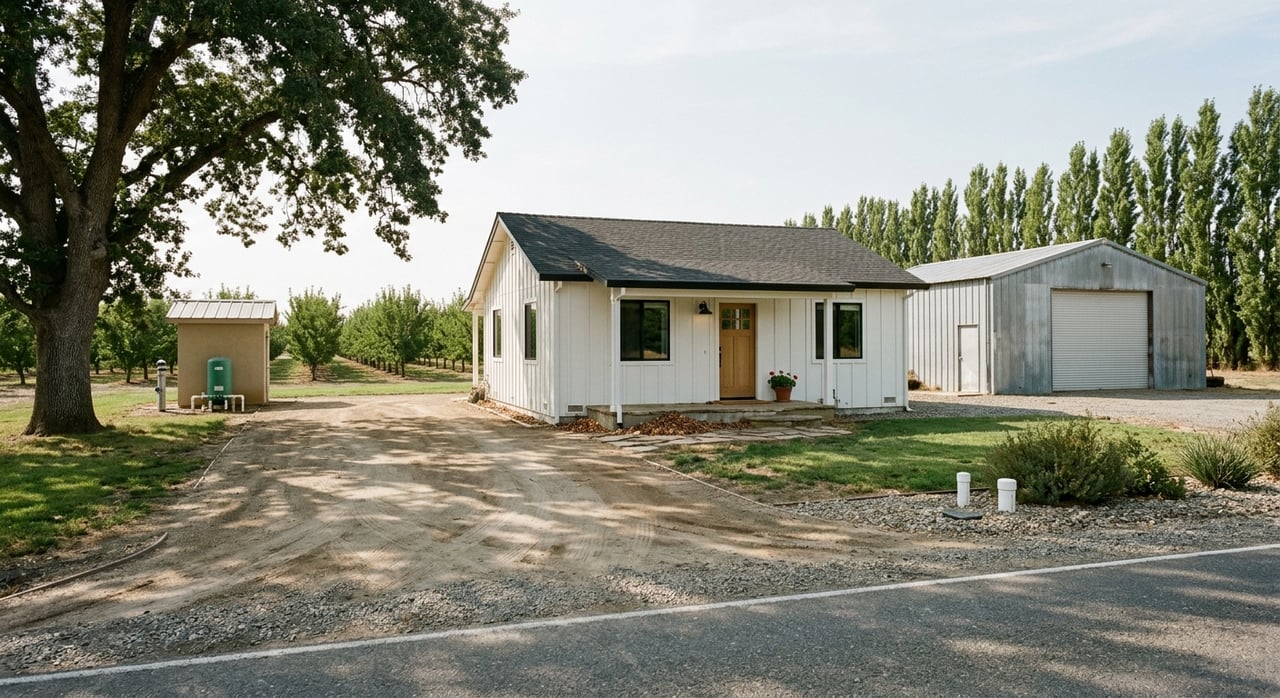
Thinking about a few acres outside Sanger sounds simple enough until you realize that a mini-farm is not just a home with extra land. If you want room for trees, a garden, animals, or a small agricultural setup, the details behind the parcel matter just as much as the view. The good news is that with the right due diligence, you can avoid expensive surprises and focus on finding a property that truly fits your goals. Let’s dive in.
Around Sanger, rural property exists in a region where agriculture plays a major role. Fresno County reports 1.88 million acres of productive farmland and $9.0 billion in agricultural production in 2024, and county planning policy is aimed at preserving agricultural and natural resources. That means a rural home or mini-farm parcel is often reviewed through a very different lens than a typical suburban lot.
For you as a buyer, that changes the process. A property that looks ideal on paper may have limits tied to zoning, water, septic capacity, flood conditions, or open-space restrictions. In other words, rural living near Sanger is often less about curb appeal and more about whether the land can support your actual plans.
Before you think about animals, orchards, or outbuildings, confirm whether the property is inside the City of Sanger or in unincorporated Fresno County. Parcels inside city limits are reviewed by the City of Sanger Planning Division. Parcels outside city limits fall under Fresno County rules for zoning, land use, wells, and onsite wastewater.
This step matters because the rules can change depending on who has jurisdiction. The same type of use may be reviewed differently inside the city than it is in the county. If you skip this first step, you could end up making assumptions based on the wrong set of rules.
In Fresno County, rural-residential and low-density zoning can support more than just a house. The county’s general-plan language says Rural Residential can allow single-family dwellings, accessory buildings, and small agricultural operations such as greenhouses and fruit- or nut-bearing plantings. The county also describes the R-R zone as large-lot single-family homesites with limited agricultural activities, with a minimum lot size of two acres unless a special acreage designation applies.
That sounds encouraging if you are looking for a mini-farm setup, but zoning is only part of the picture. A parcel’s history, configuration, and prior approvals can affect what is practical today. If you want to split land, reconfigure a parcel, or move beyond basic residential use, county review can involve permits, maps, variances, rezones, and site plan review.
Fresno County describes its General Plan as the long-range blueprint for land use, and zoning and subdivision decisions are supposed to be consistent with it. That means your plans for a property should make sense not only under current zoning, but also within the county’s broader planning framework.
For buyers, the takeaway is simple. Do not assume that because a parcel is rural, it automatically works for every rural use. A mini-farm is only as viable as the parcel’s zoning, land-use history, and approval path.
If you are buying outside city service areas, water may come from a private domestic well. Fresno County says it issues well permits only in unincorporated areas, and it does not routinely inspect existing wells or require a permit to operate a private well. That puts more responsibility on you to understand the system you are buying.
State guidance recommends annual testing for total coliform bacteria, nitrate, and electrical conductivity, with broader testing based on local conditions and site-specific concerns. If a property has a well, ask for the well log or completion report and any recent water test results. Water availability and well yield are not minor details on rural property. They are core parts of whether the land can support your plans.
Fresno County also notes that groundwater sustainability agencies may impose their own rules on well use in critically overdrafted subbasins. That means two properties with similar acreage may not offer the same level of flexibility when it comes to water.
If you are picturing irrigation for trees, gardens, or small-scale agricultural use, make sure you know what the well can do and what local groundwater conditions may mean for the property. A beautiful parcel is much less useful if the water situation does not match your intended use.
On many rural parcels, wastewater service is handled by an onsite wastewater treatment system, often a septic tank with a subsurface dispersal field. Fresno County’s Local Area Management Program says system sizing depends on location, soil porosity, and groundwater level. So even if a parcel has an existing septic system, that does not automatically mean it will meet your long-term needs without questions.
Site conditions matter here in a big way. County rules say dispersal systems should be located outside flood hazard areas when possible, and state guidance recommends keeping septic systems downhill from the well and at least 100 feet from a drinking-water source. These are not technical side notes. They can affect how the property functions, whether upgrades are needed, and how confidently you can move forward.
Before closing, ask for septic or OWTS permit history and any available site-specific soil or groundwater information. If the property may need changes or upgrades, you want to know that before you commit. Rural buyers often focus on acreage first, but infrastructure is what determines how usable that acreage really is.
If your dream includes chickens, livestock, bees, or other on-site agricultural uses, confirm the rules before you buy. In Fresno County, livestock cannot run at large on the private property of others or in public places. For dogs in unincorporated areas, county code generally requires a leash, immediate control, or use of an approved county dog park.
Those rules do not make rural living harder. They simply show that owning land still comes with responsibilities. Fencing, animal control, and day-to-day property management should all be part of your evaluation when you compare one parcel to another.
Fresno County’s Agricultural Commissioner runs pest exclusion, pest detection, quarantine enforcement, and pollinator protection programs. That is especially relevant if a property is near active orchards or other agricultural operations, or if you are considering beehives or pollinator-related uses.
In practical terms, rural living near Sanger often means living alongside working agricultural land. That can be a great fit if that is what you want, but it is smart to understand the context before you buy.
One of the most important rural-property questions is whether the parcel is under a Williamson Act contract or in a Farmland Security Zone. Fresno County explains that these contracts restrict land to agricultural or related open-space uses in exchange for lower property-tax assessment, generally on a rolling 10-year term.
This is a key point for buyers who assume a rural parcel will function like a standard large residential lot. If a property has this kind of status, your options may be more limited than you expect. Always verify open-space or agricultural contract status before you make decisions based on future use.
When you are evaluating rural property around Sanger, it helps to keep your due diligence focused on the issues most likely to affect value and usability.
The best rural properties are not always the prettiest ones at first glance. The right parcel is the one that fits how you actually plan to live. If you want a home with a few fruit trees and a greenhouse, your checklist may look very different from someone who wants animals, a larger planting area, or future land changes.
That is why a suburban home-buying mindset often falls short on Sanger-area mini-farm property. You are not just evaluating bedrooms and finishes. You are evaluating the relationship between zoning, water, septic, site conditions, and any use restrictions.
A careful approach can save you time, money, and frustration. It can also help you find a property that supports your plans from day one instead of forcing you to change them after closing.
If you are exploring rural living or mini-farm opportunities around Sanger, working with a local brokerage that understands residential property, land use, and agricultural context can make the process much smoother. The team at Boyd Realtors can help you evaluate the details that matter and move forward with confidence.

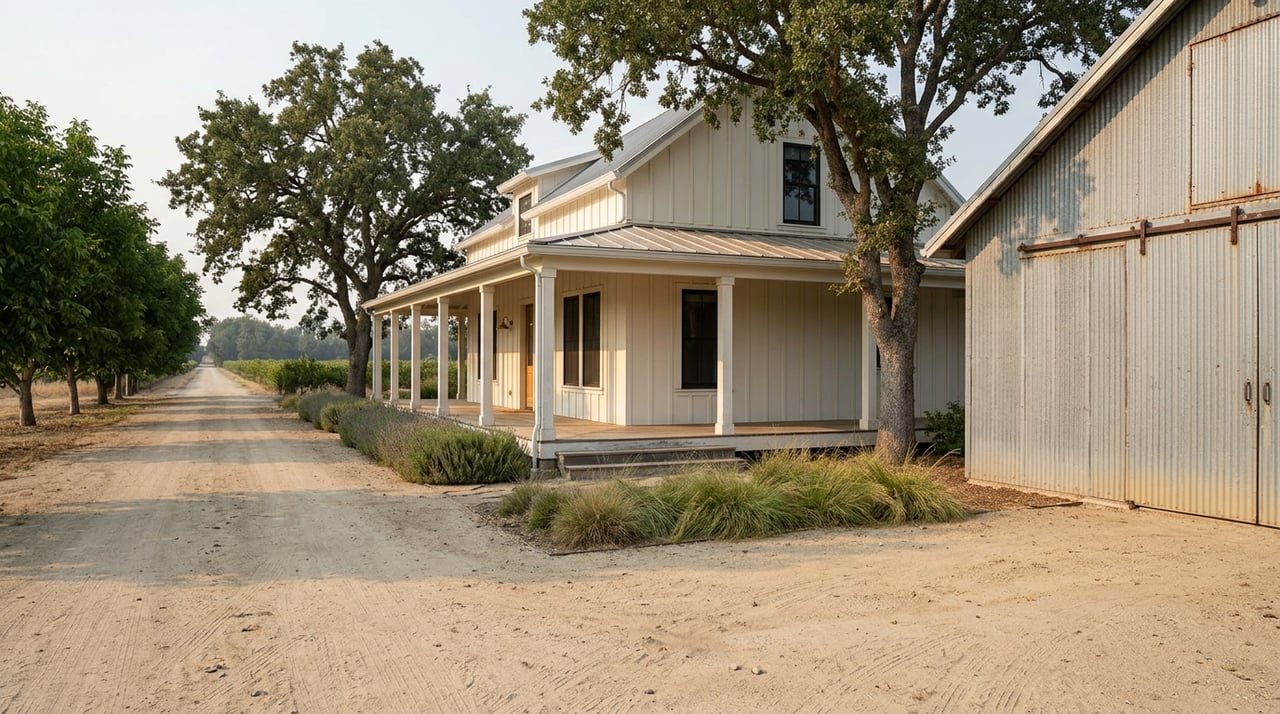
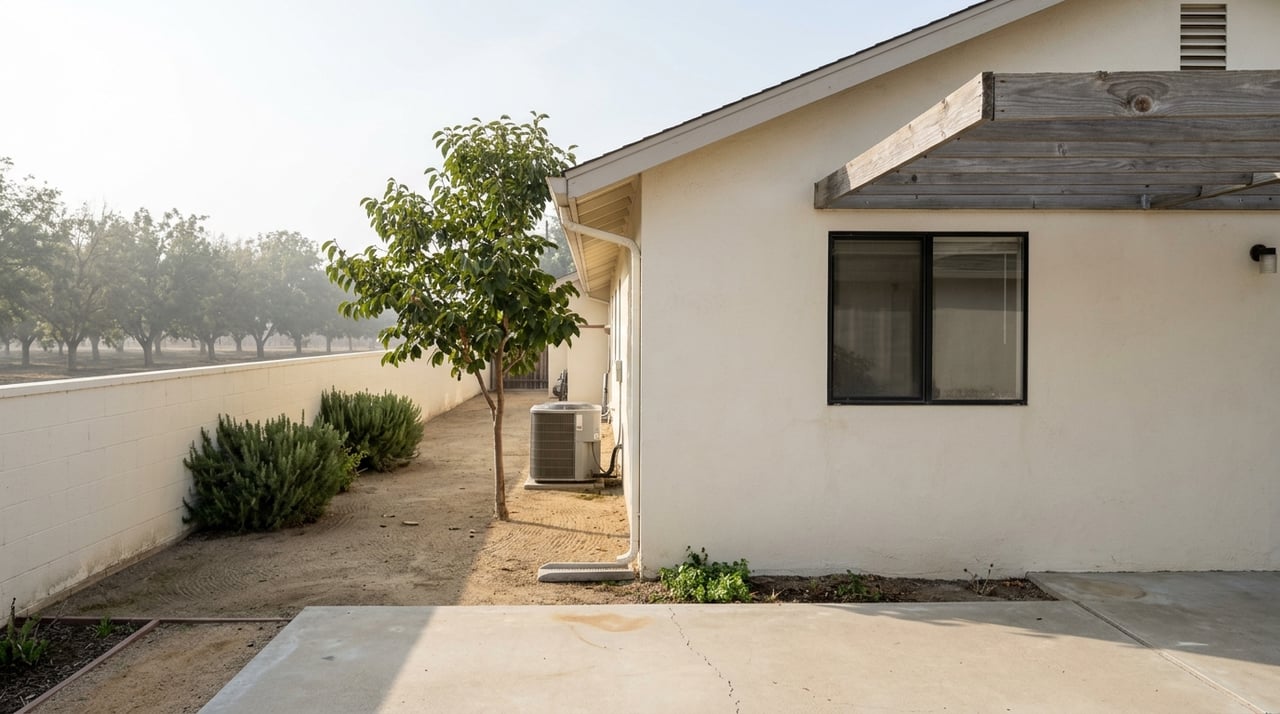
We pride ourselves in providing personalized solutions that bring our clients closer to their dream properties and enhance their long-term wealth. Contact us today to find out how we can be of assistance to you!
BRIAN ELLSWORTH | CA DRE# 01230440
CHERIE SMITH | CA DRE# 01442806
KEN BOYD | CA DRE# 00323505
[email protected]
275 S Madera Ave Ste 100
Kerman CA 93630
CA DRE# 02127943 | NMLS# 2109517
8AM-5PM MONDAY-FRIDAY and by appointment