
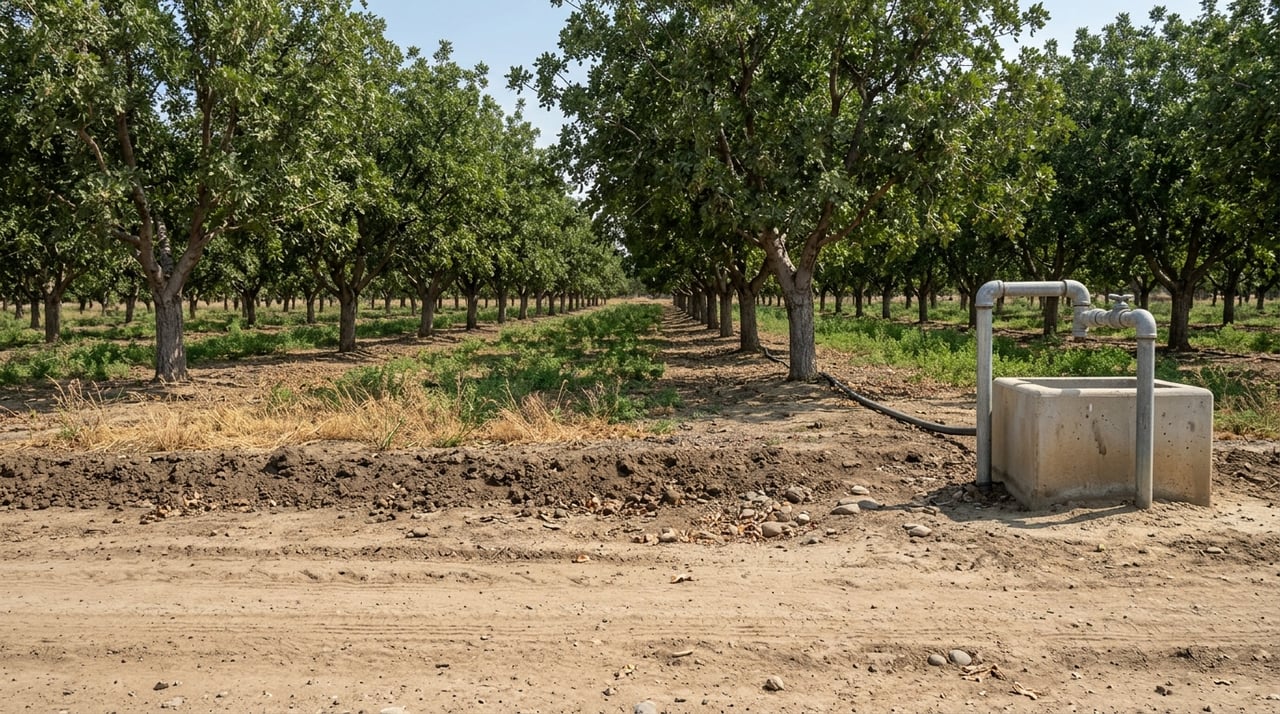
Buying farmland near Firebaugh can look simple from the road, but the real value is usually underground, on paper, and at the turnout gate. If you are just getting started, it is easy to focus on acreage or appearance and miss the details that actually shape how the property can be used. This guide walks you through the main issues beginners should review first so you can approach your search with more confidence. Let’s dive in.
Firebaugh sits in Fresno County’s west-side agricultural corridor, one of the most productive farm regions in the country. According to the Fresno County Agricultural Commissioner’s 2024 crop and livestock report, the county has 1.88 million acres of farmland, more than 350 crops, and $9.03 billion in agricultural production.
That scale matters if you are thinking about buying land here. Near Firebaugh, farmland is part of a working agricultural system where water delivery, drainage, access, and crop fit often matter more than cosmetic features.
A helpful local reference is Westlands Water District, which places Firebaugh at the north end of its territory. Westlands describes itself as the largest agricultural water district in the United States, covering more than 1,000 square miles of farmland in western Fresno and Kings Counties. That gives you a good sense of how important water infrastructure is in this market.
Not all farmland near Firebaugh is the same. As a beginner, you will likely come across irrigated row-crop ground, permanent-crop plantings, and mixed agricultural holdings.
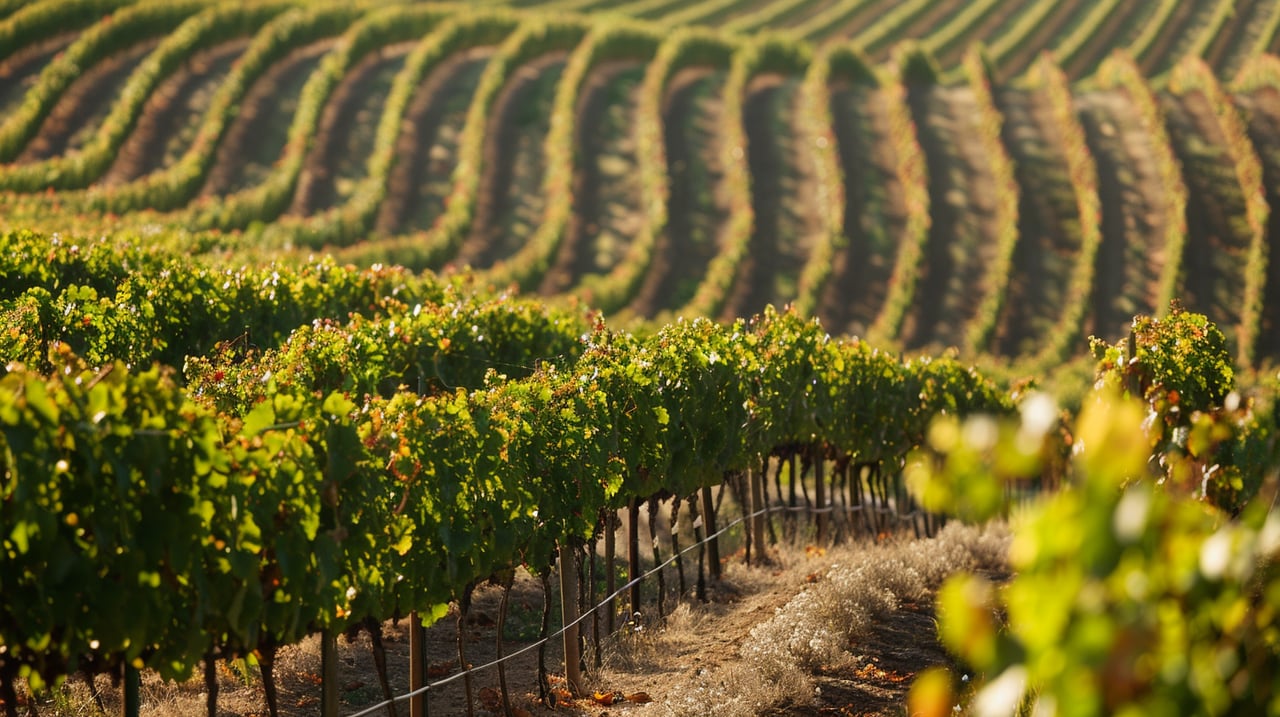
The UC West Side Research and Extension Center reflects the range of crops tied to this area, including cotton, small grains, corn, sorghum, dry beans, alfalfa, grapes, tomatoes, pistachios, almonds, peppers, melons, onions, and garlic. Westlands also reports that more than 60 percent of its growers produce fruits, vegetables, and permanent crops such as almonds, pistachios, and grapes.
For you as a buyer, that means the right parcel depends on your intended use. A property set up for annual row crops may not be an easy fit for a long-term permanent planting, and a permanent-crop block may come with infrastructure or management needs that are very different from open ground.
On west-side farmland, water should be your first checkpoint. Before you get too far into pricing or negotiation, confirm how the parcel actually receives water and whether that setup supports your intended use.
Westlands says its growers deal with limited water supplies and lack of drainage services, and its water management resources highlight delivery, drainage, salinity testing, and irrigation efficiency. In practical terms, you should review:
If the land relies on groundwater, take a second look. The California Department of Water Resources explains that SGMA requires groundwater sustainability planning in high- and medium-priority basins, so a parcel with a well should still be reviewed for local groundwater rules and basin conditions.
If you plan to use the property for produce handling or value-added processing, water quality matters too. University of Maryland Extension advises buyers to check well flow rate, pump size, pond recharge, and include water testing as a contingency when appropriate. It also notes that not every water source meets potable standards needed for food-related uses.
A parcel may look level and productive, but soils can vary a lot from one property to the next. That is why soil review should happen early in your due diligence.
The NRCS Web Soil Survey is the main source for online soil survey information and can help you evaluate general suitability for planning. NRCS also notes that onsite investigation may still be needed for certain soil-quality or engineering questions.
You can also use California’s Important Farmland mapping tools to understand whether a parcel is classified as Prime Farmland, Farmland of Statewide Importance, Unique Farmland, Farmland of Local Importance, or Grazing Land. That does not replace field review, but it can help you compare opportunities more clearly.
One common beginner mistake is assuming that farmland can easily be split, rezoned, or repurposed later. In Fresno County, zoning can strongly affect what the property is realistically suited for.
For example, one county AE-20 zoning reference describes the zone as Exclusive Agricultural with a 20-acre minimum parcel size. You can see that in this Fresno County planning example. The big takeaway is simple: do not assume a future split or rezone will be quick or likely.
Before you move forward, confirm the parcel’s zoning, minimum lot size standards, and any current land-use restrictions. That step can save you time, money, and frustration later.
A good parcel still needs workable access. You should confirm that the property has legal and practical access for the type of equipment, deliveries, and day-to-day operation you expect.
Cornell’s farm buying guidance recommends reviewing road access, equipment entry and exit, turnaround space, and how much work may be needed to bring the land into production. The same guidance also stresses that title searches are essential because easements, utility rights-of-way, access restrictions, and plat notes may not be obvious from a simple site visit.
This is one area where local experience matters. A parcel can look usable from the road and still have title or access issues that affect value or function.
If the property is tenant-occupied, the lease is part of the asset. You are not just buying dirt. You may also be buying an existing legal and operational arrangement.
According to Cornell’s leasing guidance, a written farm lease should address the land and buildings involved, access and use rights, improvements, agronomic practices, the condition the land must be left in, payment terms, lease length, renewal options, early termination, insurance, taxes, and dispute procedures. Annual crop ground and permanent crops can call for very different lease structures.
As a buyer, ask for the full lease early and review it carefully. It can affect possession timing, income expectations, operational control, and your near-term plans for the property.
Some farmland in California is under a Williamson Act contract, and that can be important for both use and taxes. The state explains that the Williamson Act is a rolling 10-year contract that limits land to agricultural and compatible open-space uses while valuing property taxes based on actual use rather than market value.
These contracts run with the land and bind future owners. If a parcel is under contract, you should understand what that means before closing, especially if you are considering any use beyond standard agricultural activity.
Farmland near Firebaugh exists in an active agricultural setting. Fresno County’s right-to-farm notice explains that land in or near AE, AL, TPZ, or RC zones may be affected by normal agricultural activity.
That means you should expect the realities of working farmland, such as equipment movement, field operations, irrigation activity, dust, and other ordinary farming impacts. California also requires disclosure when property is within one mile of farmland shown on the most recent Important Farmland map.
For beginners, this is less about concern and more about understanding the setting. Buying agricultural land means stepping into a working agricultural area, not a blank slate.
Financing farmland can differ from financing a home, especially for first-time agricultural buyers. One practical place to start is the USDA FSA Farm Ownership Loan program.
USDA says direct farm ownership loans can finance up to 100 percent of a purchase or enlargement, with a maximum direct loan amount of $600,000. Eligible beginning farmers may also qualify for a Down Payment loan that requires at least 5 percent cash down.
Even if that is not your final financing path, reviewing these options early can help you set a realistic budget and understand what documentation lenders may want.
Buying farmland near Firebaugh often involves more moving parts than a typical residential purchase. You may need help reviewing water, soils, leases, title matters, valuation, and financing, all at the same time.
The American Society of Farm Managers and Rural Appraisers notes that accredited rural property professionals specialize in valuation, management, consulting, and rural real estate services. In a real transaction, that kind of expertise can help you move from broad interest to informed decision-making.
Locally, Fresno County’s Agricultural Commissioner has a Firebaugh District office that can help with regulatory guidance and permit-related questions. Region-specific context can also come from Westlands Water District and the UC West Side Research and Extension Center.
If you are not sure where to begin, keep your process in this order. It is one of the simplest ways to avoid expensive missteps.
That sequence fits the practical reality of west-side farmland. Near Firebaugh, these factors often determine whether the land can support your intended crop or operating plan.
For first-time farmland buyers, confidence usually comes from having a clear process and the right local information. In a market like Firebaugh, you are not just comparing acreage. You are comparing water position, land capability, legal limits, and long-term usability.
That is where practical local guidance can make a difference. A brokerage with Central Valley agricultural experience can help you sort through the pieces, coordinate referrals for financing and appraisal support, and keep the transaction focused on the facts that matter most.
If you are thinking about buying farmland near Firebaugh, Boyd Realtors can help you evaluate opportunities with a practical, local approach and connect you with the next steps that fit your goals.

We pride ourselves in providing personalized solutions that bring our clients closer to their dream properties and enhance their long-term wealth. Contact us today to find out how we can be of assistance to you!
BRIAN ELLSWORTH | CA DRE# 01230440
CHERIE SMITH | CA DRE# 01442806
KEN BOYD | CA DRE# 00323505
[email protected]
275 S Madera Ave Ste 100
Kerman CA 93630
CA DRE# 02127943 | NMLS# 2109517
8AM-5PM MONDAY-FRIDAY and by appointment