
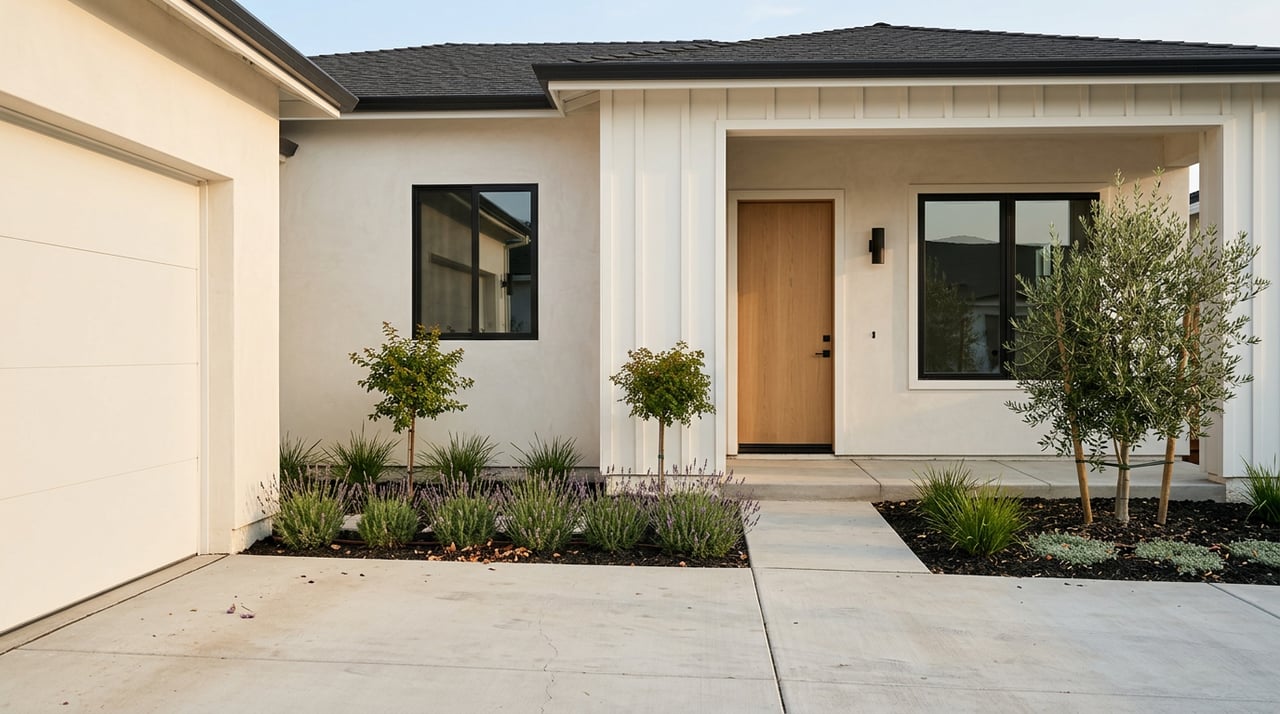
Thinking about a brand-new home in Clovis but not sure where to start? You are not alone. New construction offers fresh floorplans, energy-smart features, and the chance to choose finishes that fit your style, but the process has moving parts that are easy to miss. In this guide, you will learn how Clovis communities are growing, how the build timeline works, what to ask about lots and taxes, and why bringing your own agent can protect your budget and timeline. Let’s dive in.
Clovis continues to be a hub for master-planned, single-family neighborhoods with respected builders offering a range of price points and floorplans. Examples include communities like Lennar’s The Ranch at Heritage Grove and Bonadelle Neighborhoods’ Traditions at Heritage Grove. These pages show current models, standard features, and any quick move-in homes.
Northwest Clovis is expanding through ongoing annexations and approvals, which bring new lots to market over multiple phases. Local coverage notes that this growth involves coordinated road, storm, and sewer work that can affect delivery timelines for future phases and amenities. See recent reporting on northwest Clovis expansion and approvals for context.
City services also matter. Clovis operates its own water, sewer, and refuse utilities. Before you buy, review the City’s Public Utilities information for rate and service details, since new homes connect to municipal systems and may include specific connection fees.
Start by comparing builders, communities, and included features. Study lot maps, HOA rules, and whether a Community Facilities District special tax applies. When you are ready to tour, register at the model center.
Bring your buyer’s agent to your very first visit. Builders often require your agent to be present at initial registration to recognize representation. Policies like this are common in builder agreements, as seen in industry filings that describe first-visit registration requirements for outside agents (SEC reference example).
If you find the right plan, you can place a hold or move forward on a specific lot. Expect different prices for corner lots, cul-de-sac locations, or lots near parks or open space. Lot premiums and orientation can influence both price and future enjoyment, so get any premium costs in writing on an addendum.
Builder purchase agreements are not the same as the standard resale contracts you may know. Read for deposit schedules, any financing deadlines, arbitration provisions, and the rules for cancellations or delays. Ask your agent to flag any addenda, incentive terms, and warranty booklets that need review before you sign.
You will choose finishes within set “standard” packages and allowances. Upgrades above those allowances add to the final price and can affect timing if items have long lead times. Ask for a written selections sheet, pricing, deposit requirements, and change-order rules so you know what is locked and what can still change.
After permits and site work, production builds typically progress in defined stages. Weather, inspections, and materials can affect timing, so plan for some variability. Even with new homes, many buyers order independent inspections at key milestones. InterNACHI outlines phase inspection best practices, including pre-drywall, final, and 11‑month checkups. Learn what a phased approach covers from InterNACHI’s inspection resources.
Before closing, complete a detailed walk-through and punch list with the builder. After move-in, you will manage warranty items under the builder’s written warranty and California’s Right to Repair law. The statute, known as SB 800 (Civil Code Title 7), sets standards and timelines for construction defect claims, including written notice, inspection windows, and repair procedures. Review the full text of SB 800 on the California Legislative Information site so you understand how notices and deadlines work.
Not all lots are priced the same. Corner lots, cul-de-sacs, and premium locations may carry add-on costs. Ask for an up-to-date community map and a written schedule of lot premiums. Confirm any view, open space, or amenity adjacency that affects your long-term enjoyment and resale.
Clovis’ ongoing northward expansion involves new roads, storm drainage, and sewer extensions. Ask the builder which off-site work remains and how phasing might affect timing for neighborhood parks and trails. You can also verify utility service details and water planning on the City’s Public Utilities pages.
For grading, drainage, and easements, request the tract’s engineering exhibits and CC&Rs so you know where fences, hardscape, or a future pool can go. The City publishes engineering standards that guide how subdivisions are built and reviewed. You can explore those reference standards on the City’s engineering and standards page.
Many new subdivisions use Community Facilities Districts, often called Mello-Roos, to fund roads, parks, and other infrastructure. These appear as a separate line item on your property tax bill and last until the bonds are retired. The specific levy, escalation, and duration are parcel based. Ask the builder for the recorded Notice of Special Tax for your lot and review the most recent levy schedule. For a plain-language overview, see the county’s resource on Community Facilities District special taxes.
If the neighborhood has an HOA, review the budget, rules, and pending improvements so you understand monthly dues and any upcoming changes.
New homes must meet California’s Title 24 energy standards, which shape builders’ standard features and buyer expectations on operating costs. Recent code cycles increased the focus on energy performance and rooftop solar planning statewide. For background on the state’s policy direction, review this overview of California’s evolving energy standards and solar vision. Ask the builder which Title 24 cycle the home was permitted under and what that means for insulation, HVAC, windows, and solar readiness.
On-site sales teams represent the builder, not you, and their duty is to the seller. Your own agent helps you evaluate communities, read the contract and addenda, structure upgrades, coordinate inspections, and track milestones through closing and warranty.
Cost is another common question. In many cases, the builder’s marketing budget pays cooperating commissions so you can have representation without an added commission outlay. Policies vary by builder, so confirm in writing. Also note that some builders require your agent to attend your first model-home visit to be recognized. A reference point for this type of policy appears in industry filings with the SEC that describe first-visit registration requirements for outside agents (example).
Before your first model visit
At contract and design selections
During construction
Pre-close and post-close
If you want a clear path from first tour to move-in, bring a local advisor who knows Clovis subdivisions, city utilities, and builder contracts. We will help you compare lots, negotiate incentives, coordinate inspections, and set up a smooth close with lending and appraisal referrals if you need them. Connect with Boyd & Associates to Schedule a Consultation and start your new-home search with confidence.

We pride ourselves in providing personalized solutions that bring our clients closer to their dream properties and enhance their long-term wealth. Contact us today to find out how we can be of assistance to you!

BRIAN ELLSWORTH | CA DRE# 01230440
CHERIE SMITH | CA DRE# 01442806
KEN BOYD | CA DRE# 00323505
[email protected]
275 S Madera Ave Ste 100
Kerman CA 93630
CA DRE# 02127943 | NMLS# 2109517
8AM-5PM MONDAY-FRIDAY and by appointment