
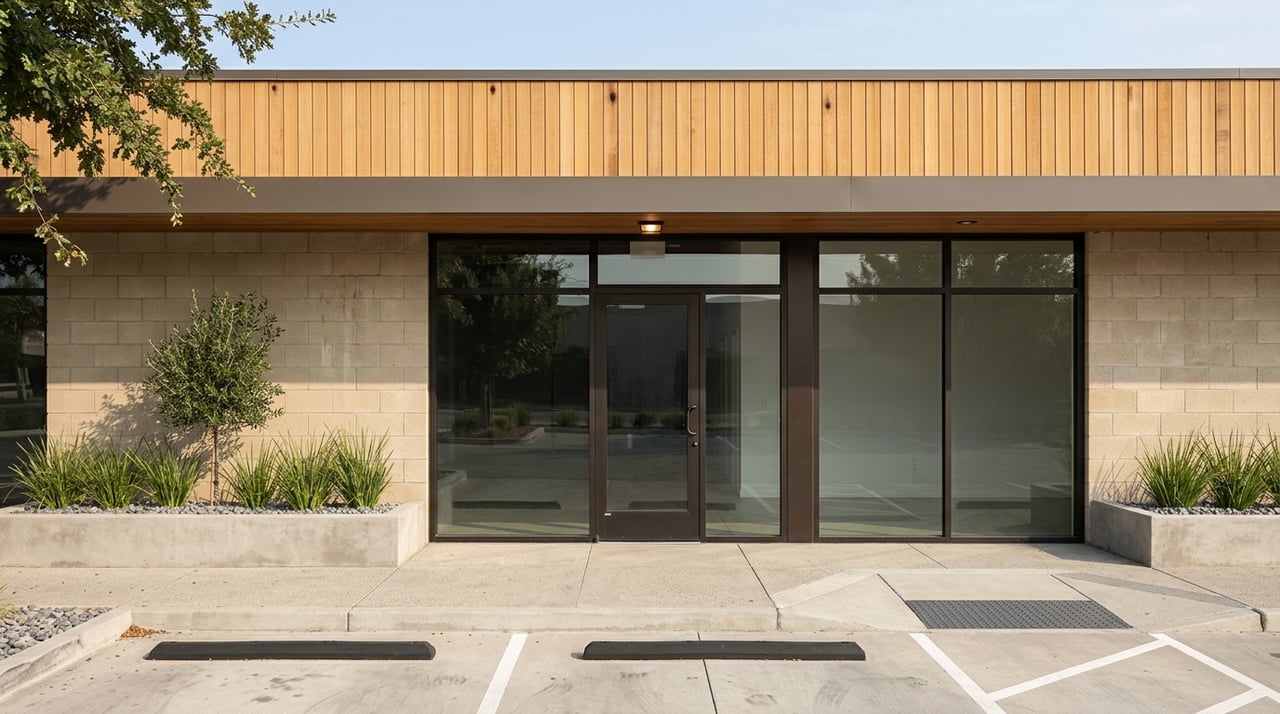
Looking at small commercial property in San Joaquin can feel simple at first glance, but small-town investing has its own rules. You are not just buying a building. You are buying into a local economy shaped by agriculture, highway access, a limited inventory of spaces, and tenant demand that often centers on practical everyday services. If you want to invest with more clarity, it helps to understand what property types fit this market, what to verify before you buy, and where the biggest risks usually show up. Let’s dive in.
San Joaquin is a small city in Fresno County with about 3,708 residents. According to the same local profile, the city covers about 1.2 square miles, with a median household income of $43,011. That matters because small commercial investing here usually depends less on heavy walk-in retail traffic and more on essential services, commuter flow, and business activity tied to the surrounding agricultural economy.
The city also has a distinct physical and economic setup. The City of San Joaquin highlights local economic development and notes the community’s ties to rail, Interstate 5, Highway 99, and Manning Avenue. In practical terms, that supports demand patterns that may favor neighborhood-serving retail, service businesses, mixed-use properties, and light industrial space over large-format suburban commercial projects.
At the county level, the broader economy adds another layer of context. Fresno County’s quick facts show a population above 1 million, and the research provided notes that agricultural production reached $8.589 billion in 2023, with agriculture supporting 20% of Fresno-area jobs. For you as an investor, that can point toward demand from ag-support uses such as storage, repair, processing, and distribution.
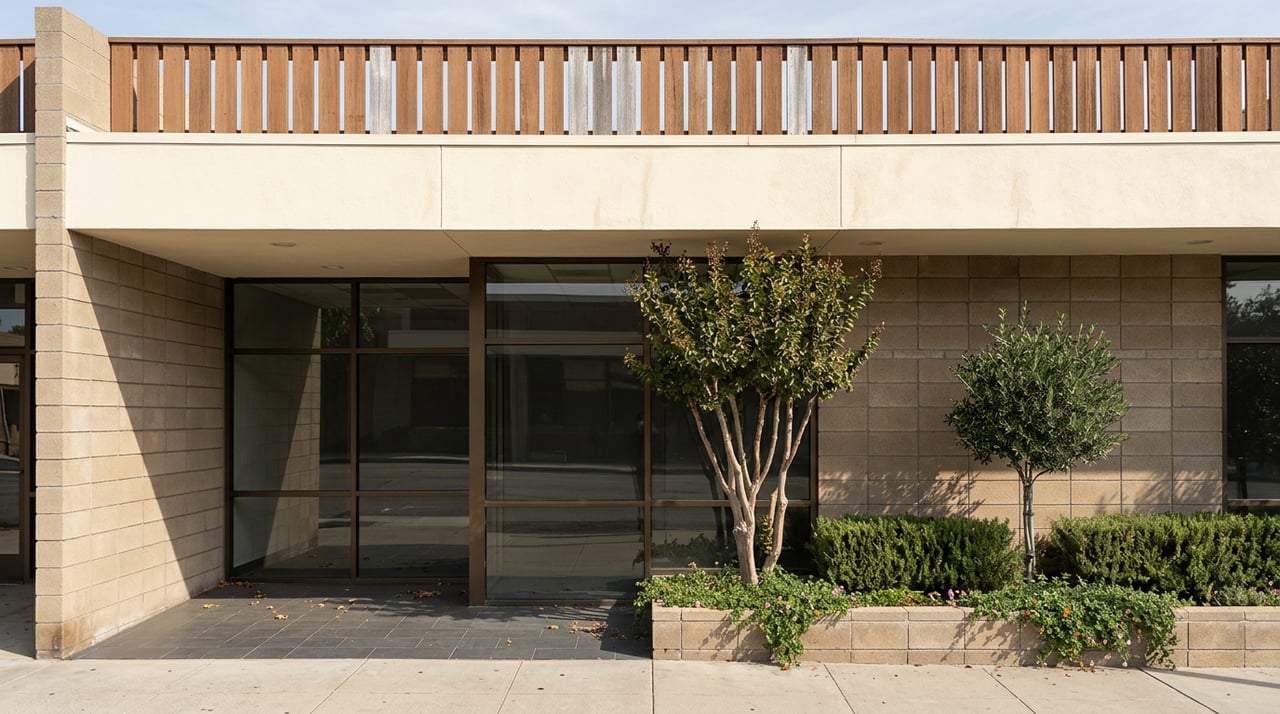
In a market like San Joaquin, the strongest opportunities are often the ones that match local demand instead of trying to force a big-city strategy onto a small community. The research suggests the most practical targets are small storefronts, owner-user mixed-use buildings, and light industrial properties. These categories line up with the city’s agricultural roots, transportation access, and visible commercial inventory.
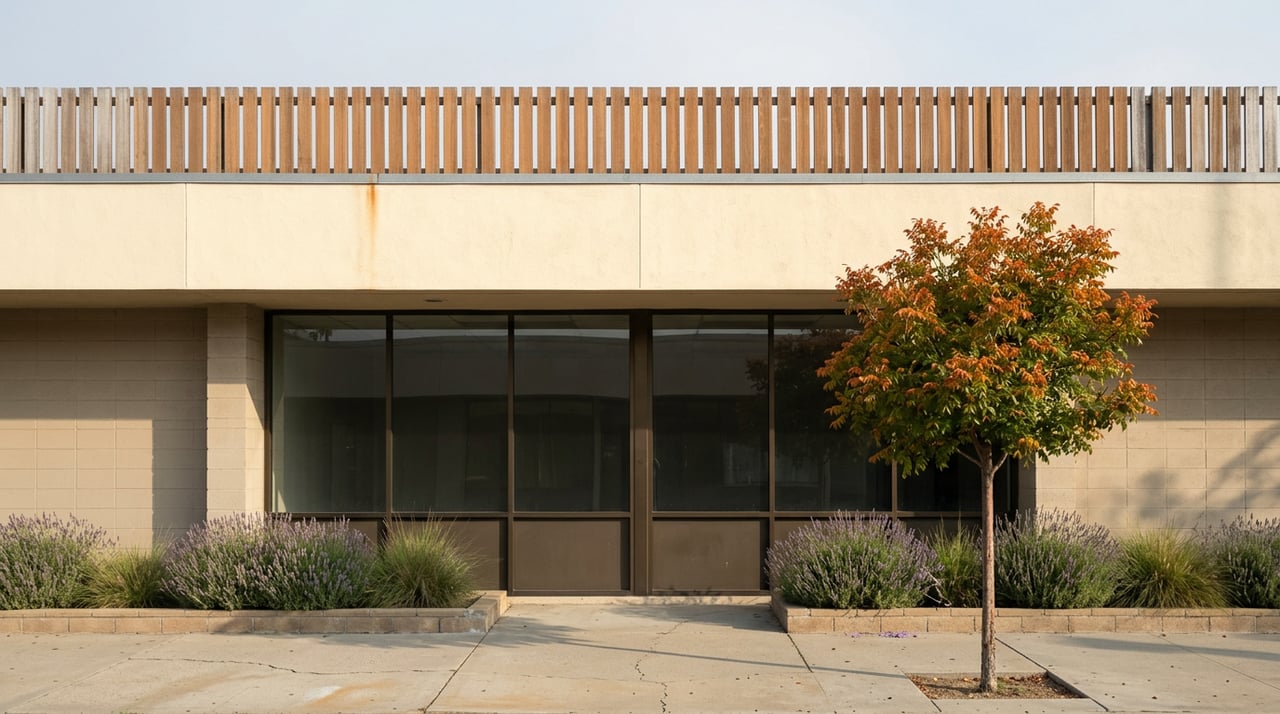
Small storefronts can work well when they serve routine local needs. In a market with a modest population base, necessity-oriented businesses may have more stable demand than highly discretionary concepts. If you are considering this type of asset, pay close attention to whether the location supports daily-use traffic and whether the tenant’s business fills a practical local need.
Owner-user or small mixed-use buildings can offer flexibility. In some cases, they may appeal to buyers who want to operate a business while also capturing income from another unit or use. These properties can be attractive, but they also require careful review of zoning, shared expenses, and any needed updates before occupancy.
Light industrial may be one of the more logical categories to watch in and around San Joaquin. The city’s transportation links and surrounding agricultural economy can support uses tied to warehousing, equipment, repair, storage, and related operations. Public listing examples in the research also show this segment is part of the local inventory, including an industrial property on Railroad Street with manufacturing zoning and lease availability.
One of the most important early steps is confirming what a property can legally be used for. San Joaquin’s zoning map shows districts including Commercial, Main Street Commercial, Manufacturing, Public/Semi-Public Facilities, open space categories, and residential areas. A building that looks like it should work for retail, mixed-use, or industrial use may still need verification before you move forward.
The city also offers online planning, building, and inspection applications, and that portal notes a business license is required to operate within city limits. If a parcel sits outside the city, Fresno County rules may apply instead. The research notes that Fresno County updated its zoning ordinance in 2024 and offers a pre-application process, which can help you confirm allowable uses before spending too much time or money.
San Joaquin is not a market with endless inventory. The public-listing snapshot in the research shows a relatively limited supply, with LoopNet pages showing a small number of lease and sale listings near San Joaquin. That does not mean there are no opportunities. It means each listing may deserve more attention because the market is thin and segmented.
In a smaller market, pricing can also be harder to benchmark. You may have fewer direct comparable properties, and one vacancy or one strong tenant can shift a building’s value more than it would in a larger city. That is why practical underwriting matters so much here.
For small commercial properties, the lease is often just as important as the building itself. The research explains that gross, modified gross, percentage, and net lease structures each allocate costs differently between landlord and tenant. If you do not understand that structure clearly, your projected returns can change fast.
Here is a simple way to think about them:
In many small retail and mixed-use properties, modified gross terms can be common because multiple users may share expenses. In industrial or freestanding buildings, net lease structures often appear more often.
The research also notes that CAM charges, capital improvements, deferred maintenance, and expense-pass-through language can materially affect performance. Before you buy, review who pays for:
A building that looks profitable on the surface can feel very different once you account for these details.
In a small market, a single vacant unit can have an outsized impact. That is why the research recommends focusing on tenant credit, payment history, remaining lease term, renewal options, lease amendments, and any corporate guaranty. If the income depends heavily on one tenant, you also want to know how easy or difficult it would be to release the space if that tenant leaves.
LoopNet’s guidance on single-tenant triple-net investing specifically points to alternative-use potential as an important factor. That is especially relevant in a small city like San Joaquin, where the replacement tenant pool may be narrower. The more flexible the property is, the more options you may have if the market changes.
If you are looking at older storefront or mixed-use properties, build-out costs can become a major part of the deal. The research explains that a tenant improvement allowance, or TIA, is landlord money toward improvements such as interior work, installations, architectural changes, and sometimes permit-related costs. For investors, this matters because getting a space leased may require upfront capital.
San Joaquin’s online forms page also flags ADA disability-access compliance for buildings open to the public. That means you should not only look at rent potential. You should also look closely at the cost to make the space functional and compliant for a tenant’s use.
Before you buy a small commercial property in San Joaquin, it helps to slow the process down and verify the basics.
This kind of checklist is not flashy, but it is often where better investment decisions are made.
The research identifies LoopNet and Crexi as the most relevant national marketing channels for this topic, and the brand profile for Boyd Realtors aligns with using CRE-focused exposure for commercial and investment property marketing. In a market as small as San Joaquin, broad digital exposure can help surface opportunities, but the city’s own planning tools are just as important.
A practical search process usually includes public listing platforms, the city planning portal, the zoning map, municipal requirements, and county review when a parcel falls outside city limits. That combination gives you a more complete picture of both the deal and the approvals path.
Small commercial investing in San Joaquin is less about chasing volume and more about understanding fit. You are dealing with a compact city, limited inventory, local approval steps, and a tenant base shaped by agriculture, transportation access, and everyday service demand. Those factors can create real opportunity, but they reward careful underwriting and local knowledge.
If you are thinking about buying, selling, or evaluating a small commercial property in San Joaquin, working with a brokerage that understands Central Valley commercial patterns can save you time and help you avoid expensive surprises. Boyd Realtors brings local market knowledge, commercial brokerage experience, and practical support for complex transactions across the region.

We pride ourselves in providing personalized solutions that bring our clients closer to their dream properties and enhance their long-term wealth. Contact us today to find out how we can be of assistance to you!

BRIAN ELLSWORTH | CA DRE# 01230440
CHERIE SMITH | CA DRE# 01442806
KEN BOYD | CA DRE# 00323505
[email protected]
275 S Madera Ave Ste 100
Kerman CA 93630
CA DRE# 02127943 | NMLS# 2109517
8AM-5PM MONDAY-FRIDAY and by appointment