
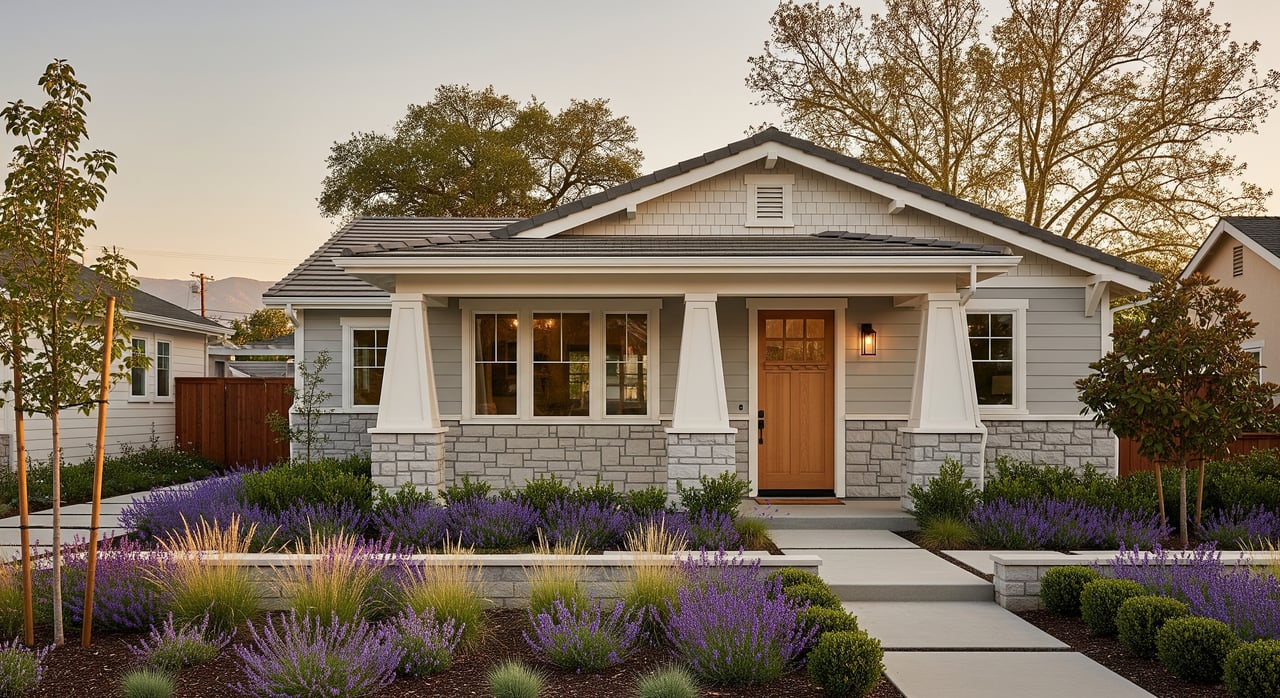
Buying your first home in Clovis can feel exciting and overwhelming at the same time. You want a place that fits your life and budget, without surprises during escrow or after you move in. With a clear plan and local insight into Clovis micro-markets, you can move forward with confidence and enjoy the process. In this guide, you’ll learn how to set a budget, choose a mortgage, write a strong offer, prioritize inspections for Central Valley homes, and map out your closing timeline. Let’s dive in.
Clovis is a suburban market next to Fresno with a mix of older homes near Old Town, established neighborhoods within Clovis Unified boundaries, newer subdivisions at the edges, and rural properties in the outskirts. Demand can shift by neighborhood, especially around school boundaries and new development. Your commute patterns, access to CA-168 and CA-99, and proximity to Fresno will shape your short list.
Local physical conditions matter. Central Valley soils can expand and contract, so foundation, grading, and drainage should be top of mind when you evaluate homes. Some areas near the outskirts may fall into FEMA flood zones, so it is smart to check a specific address on the FEMA Flood Map Service Center. In newer subdivisions, confirm whether there are special taxes such as Mello-Roos, plus any HOA dues and rules.
Start with what you can comfortably afford each month. Include your full housing cost: principal, interest, property taxes, homeowners insurance, HOA dues if applicable, and utilities.
Key budgeting points for Clovis:
Build a cushion for immediate repairs or updates after you move in and set aside reserves for maintenance. Tackle any credit report errors and pay down high-interest debt if possible. A stronger financial profile can improve your loan options and interest rate.
A lender pre-approval clarifies your price range and strengthens your offer. Ask your lender:
In competitive Clovis micro-markets, sellers often look for a current pre-approval and proof of funds for the earnest money deposit. Getting this done upfront helps you focus and move quickly when the right home appears.
Make a list of must-haves and nice-to-haves. Consider:
Walk target neighborhoods at different times of day. If appropriate, talk to neighbors about drainage patterns, irrigation schedules, seasonal dust, and noise. Small details can influence your day-to-day comfort.
Work with an agent who understands Clovis’s micro-markets and school-boundary dynamics. When you’re ready to make an offer, expect to discuss:
California seller disclosures are extensive. Review them closely to guide your inspection plan and negotiations.
A strong inspection plan helps you avoid costly surprises. The CFPB’s homebuying guidance outlines why inspections matter and how to use the results in negotiations. In Clovis and the wider Central Valley, consider:
If you use an FHA loan, be aware that FHA appraisals apply minimum property standards. Some repairs may need to be completed before closing. Review the basics on HUD’s buying a home page and coordinate repair timelines with your agent and lender.
Different loans fit different financial profiles and property types. Compare options before you commit.
FHA loans allow lower down payments and more flexible credit standards, paired with mortgage insurance. Many first-time buyers in Clovis find FHA helpful when purchasing older homes or when building a down payment. Learn more from HUD’s FHA resources for buyers.
Conventional loans typically reward stronger credit and larger down payments with better pricing. First-time buyer options can go as low as 3 percent down, and private mortgage insurance can be removed later when you build enough equity.
USDA loans offer zero down options for eligible borrowers and properties in designated rural areas. Many central Clovis neighborhoods will not qualify, but some outskirts and nearby rural parts of Fresno County may. Check addresses on the USDA property eligibility map and confirm income limits.
If you are a veteran, active-duty service member, or eligible surviving spouse, VA loans often provide zero down financing with no PMI. Review eligibility and benefits through the VA home loan program.
Many first-time buyers in Clovis use state-level assistance to lower upfront costs. The California Housing Finance Agency offers down payment and closing cost help that often pairs with FHA or conventional loans. The Golden State Finance Authority also provides programs for income-qualified buyers. Program availability, income limits, and purchase price caps change, so review current guidelines and ask your lender how assistance pairs with your chosen loan.
Timelines vary by loan type, lender, and market conditions, but here is a common path once your offer is accepted:
Common causes of delays include appraisal discrepancies, seller-required repairs, title issues, or scheduling specialty inspections and treatments. New construction may add steps for builder warranties and final municipal inspections.
Before you remove contingencies, confirm these items to avoid budget surprises:
A careful review here can save you from surprises later and gives you leverage to negotiate credits or repairs before closing.
When you combine a clear budget, the right loan, and a local inspection plan, buying your first home in Clovis becomes straightforward. Our team brings practical Central Valley expertise, from neighborhood insights to coordinating lender and appraisal referrals, so you can move from search to keys with less stress. If you’re ready to map your next steps, connect with Boyd & Associates to schedule a consultation.

We pride ourselves in providing personalized solutions that bring our clients closer to their dream properties and enhance their long-term wealth. Contact us today to find out how we can be of assistance to you!

BRIAN ELLSWORTH | CA DRE# 01230440
CHERIE SMITH | CA DRE# 01442806
KEN BOYD | CA DRE# 00323505
[email protected]
275 S Madera Ave Ste 100
Kerman CA 93630
CA DRE# 02127943 | NMLS# 2109517
8AM-5PM MONDAY-FRIDAY and by appointment