
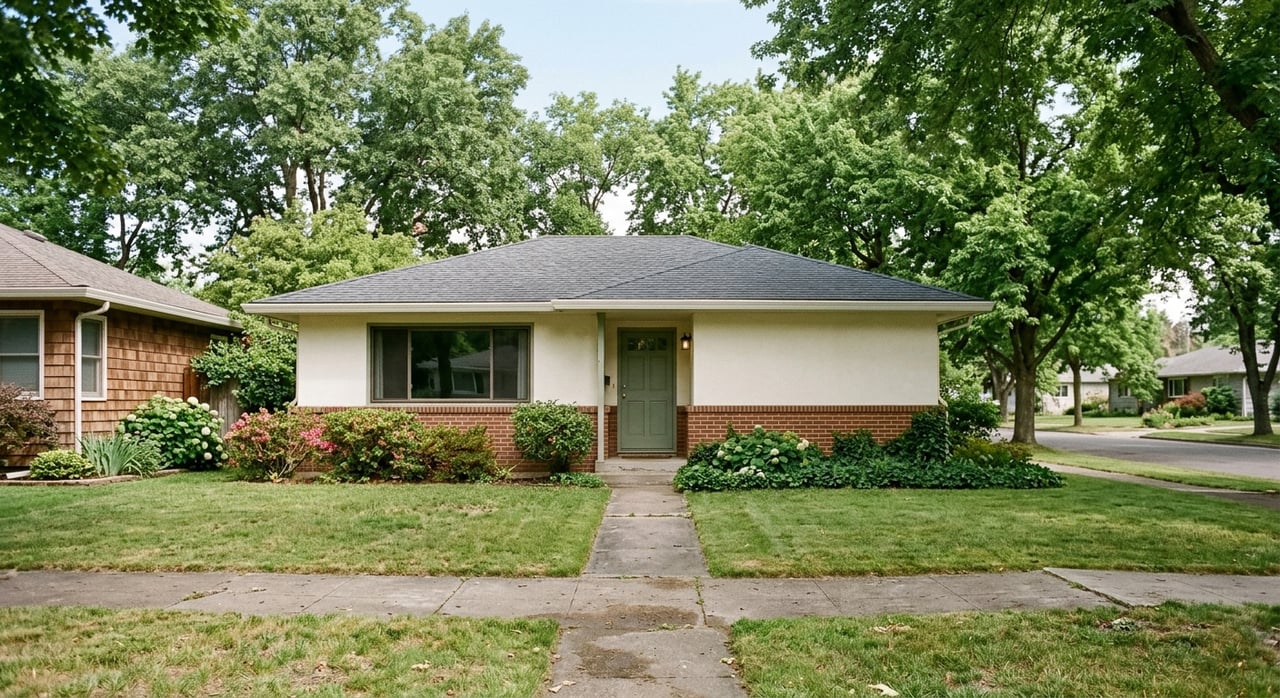
If you have started looking at Clovis, you have probably noticed something quickly: not every part of the city lives the same day to day. One area may feel older and more compact, while another feels newer, more planned, and built around parks, trails, and community centers. Understanding those differences can help you narrow your search faster and choose a neighborhood that fits your routine, not just your budget. Let’s dive in.
Clovis has an older central core and several newer growth areas, and city planning documents treat them differently. That is a big reason why neighborhoods across Clovis can feel distinct in housing style, street layout, and everyday convenience.
In simple terms, Central Clovis and Old Town tend to reflect an established, infill-oriented pattern. Areas like Loma Vista, Heritage Grove, and Harlan Ranch reflect newer master-planned growth with amenities and connections built into the design from the start.
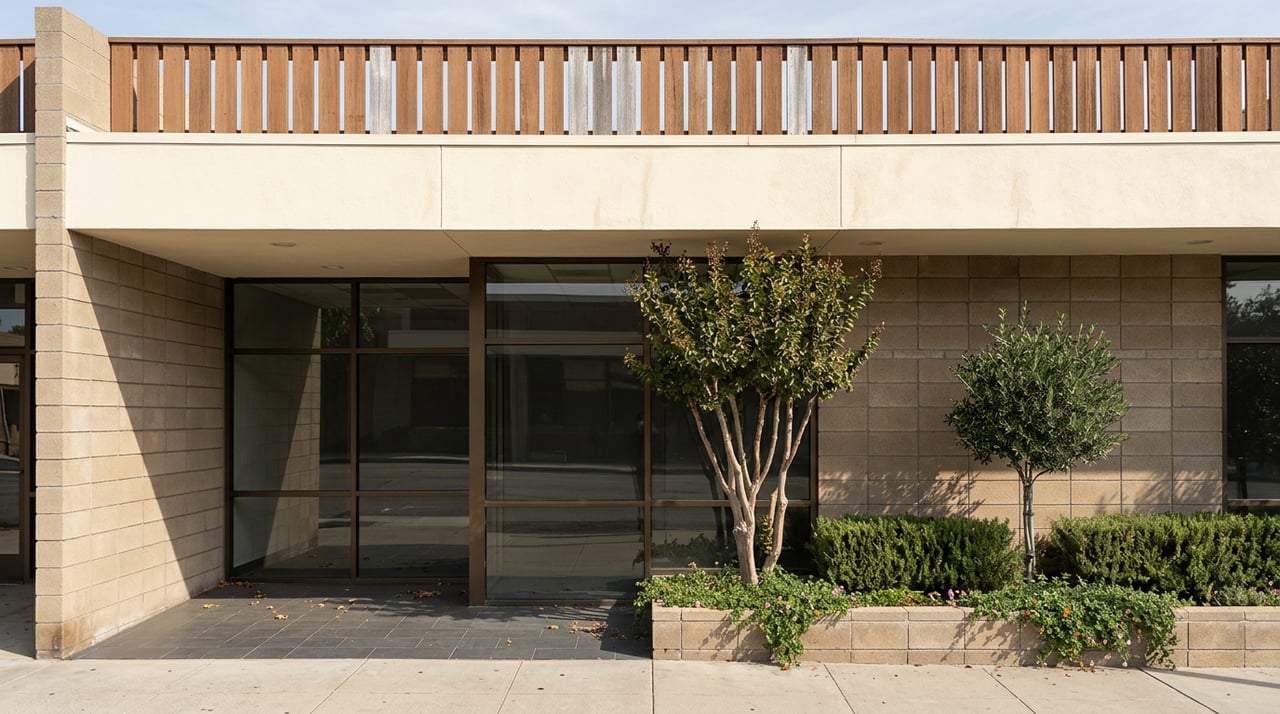
Old Town and Central Clovis are the most established parts of the city. Planning documents describe this area as an older core with infill-friendly blocks, and some lots include alley access, which is a feature you do not see as often in newer subdivisions.
This part of Clovis also includes a mix of uses placed closer together. The Central Clovis Specific Plan includes categories such as Old Town storefront commercial, pedestrian residential, garden residential, civic, and rodeo districts, which helps explain why the area can feel more compact and mixed in its layout.
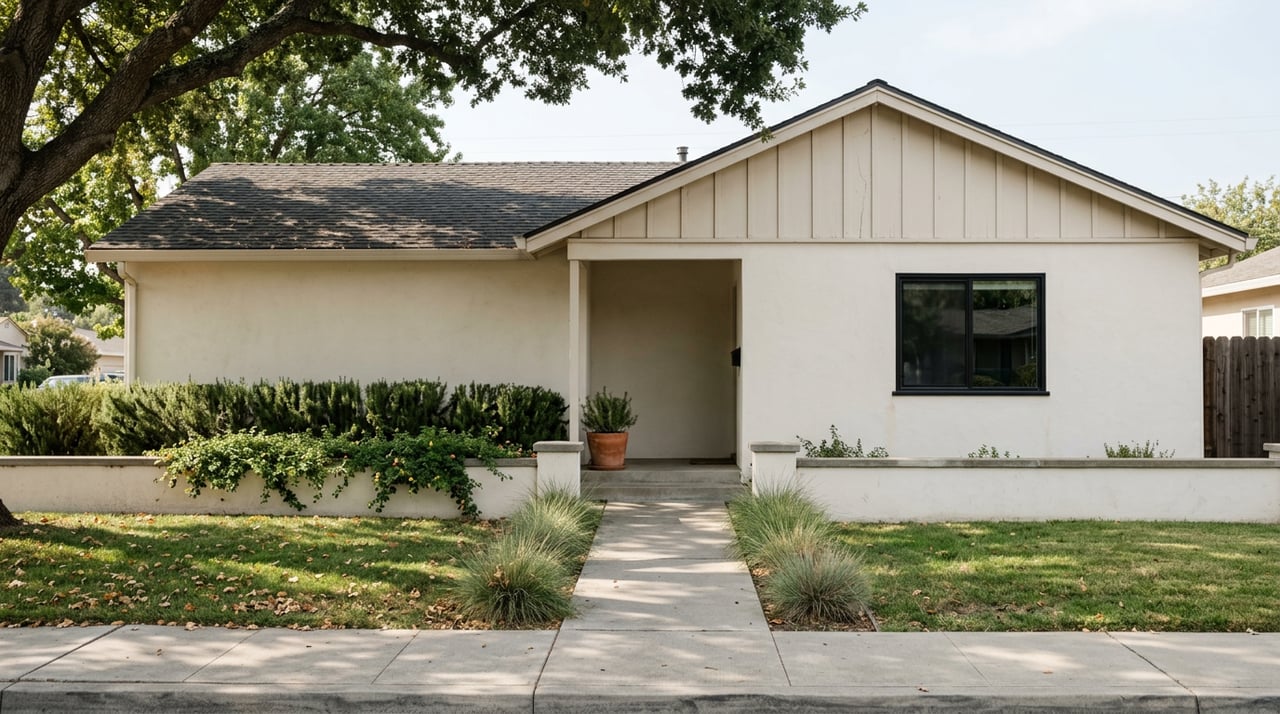
If you picture mature trees, older lot patterns, and a daily routine that feels a little more connected to the historic heart of the city, this area may stand out to you. It is often the best conceptual match for buyers who want a more established setting rather than a newly built subdivision.
That does not mean it feels urban in the way a large downtown might. Clovis as a whole still has a suburban baseline, but Central Clovis offers one of the clearest examples of a more walkable, established node within the city.
Central Clovis may be worth a closer look if you want:
Loma Vista represents a different side of Clovis living. The Loma Vista Specific Plan was built around community centers, with residential neighborhoods organized around pedestrian-oriented mixed-use cores and supported by recreation, shops, services, and employment uses.
In practical terms, this area tends to feel newer and more intentionally planned. Street patterns, neighborhood organization, and trail or paseo connections reflect a master-planned approach rather than the older grid and infill pattern you see in Central Clovis.
If your ideal neighborhood includes newer construction and a layout that feels easy to understand, Loma Vista may appeal to you. The planning concept puts daily needs like parks, services, and neighborhood connections into the design, which can make the area feel convenient and cohesive.
For many buyers, this is helpful because you can better picture how the neighborhood is meant to function over time. The structure of the area is part of its appeal, especially if you want a newer home in a community with a clearly defined plan.
Loma Vista may be a strong match if you want:
Northwest and Northeast Clovis add another layer to the city. Planning for these areas calls for a variety of housing types, sizes, and densities, along with connected road networks and neighborhood-scale or community-scale design.
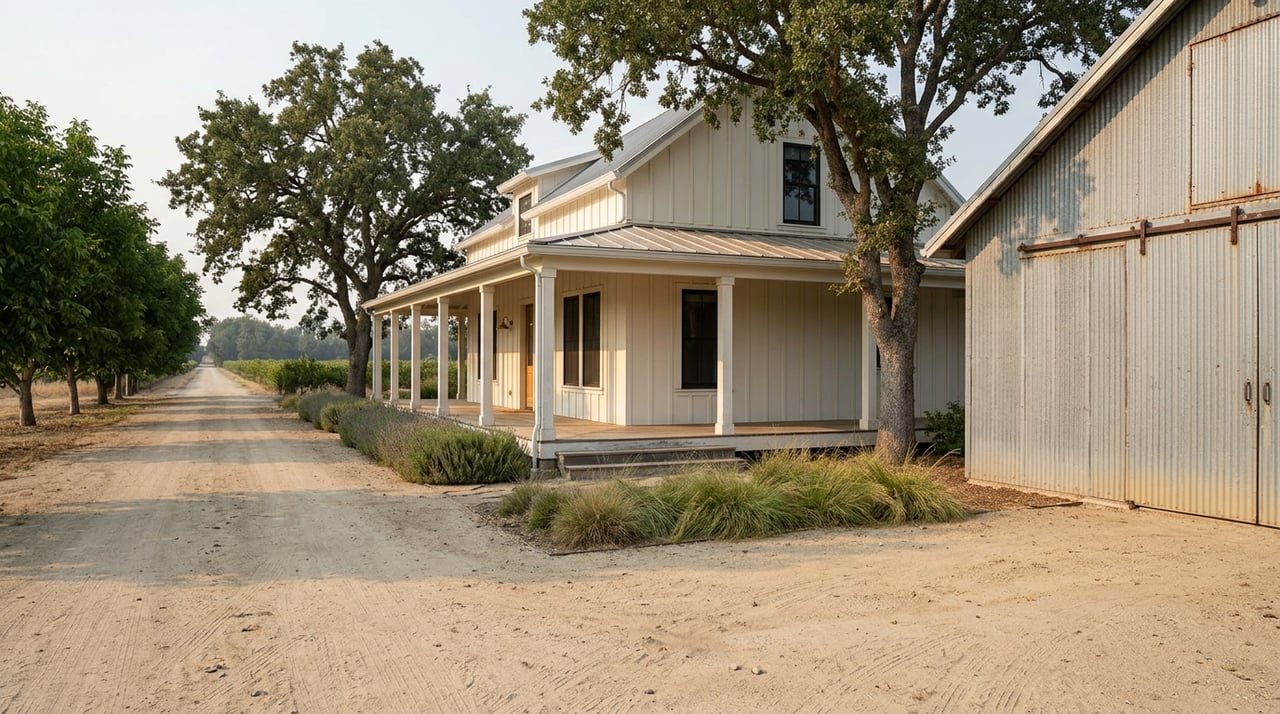
Heritage Grove and Harlan Ranch help illustrate this pattern. Heritage Grove follows an urban-village concept with an emphasis on landscaping and trails, while Harlan Ranch was planned around a variety of residential neighborhoods, recreational facilities, and a local-serving commercial center with a main-street feel.
These areas often appeal to buyers who want newer homes but do not necessarily want a denser, more central setting. The feel is usually more neighborhood-centered, with planned amenities woven into suburban living.
You may notice that daily life here often revolves around built-in recreation, green spaces, and local-serving centers rather than an older historic core. That can be a strong advantage if you want newer housing and a more planned community structure.
These areas may suit you if you want:
One of the most important things to understand about Clovis is that it remains strongly car-oriented. Census QuickFacts report a mean travel time to work of 24.0 minutes, and Fresno County commuting data show that 77.5% of Clovis workers drive alone, 10.8% work from home, and 0.4% use public transit.
Clovis Transit does operate four fixed routes plus Round Up paratransit service. Those routes serve key destinations such as Sierra Vista Mall, the Civic Center, Walmart, Target, city schools, and Fresno State University, though a city study noted that some newer developed areas remained unserved by transit.
For your home search, that means comparing neighborhoods by how much driving your routine will require. In Clovis, the question is usually not whether you can live car-free. It is whether your day-to-day trips feel short, direct, and convenient enough for your needs.
Outdoor access is one of the more consistent strengths across Clovis. City planning documents state that Clovis maintains 63 parks and more than 28.1 miles of trails.
Major trail corridors include the Old Town Trail through central and northwest Clovis, the Dry Creek Trail in northwest Clovis, the Enterprise Trail in northern Clovis, and the paseos and greenbelt paths found in areas like Loma Vista and Harlan Ranch. That means recreation is not limited to one section of town, even though it may be more visually prominent in some of the newer master-planned areas.
If parks and trails matter to your routine, Clovis gives you options in more than one part of the city. The key difference is often how the outdoor space shows up in daily life.
In older central areas, access may feel tied to established streets and older trail connections. In newer planned areas, trails and green spaces may feel more intentionally integrated into the neighborhood layout.
Errands and day-to-day convenience also vary by neighborhood pattern. Clovis Transit destinations offer a useful snapshot of activity centers, including Sierra Vista Mall, Walmart, Target, the Civic Center, and Fresno State.
Old Town and Central Clovis tend to feel more compact and established. Loma Vista and Heritage Grove are planned around mixed-use centers, while Harlan Ranch is built around a local-serving center. Taken together, these patterns suggest a city with several active nodes rather than one single environment that defines all of Clovis.
If your goal is to shorten trips for shopping, parks, and regular services, it helps to focus on areas near mixed-use community centers and major retail corridors. If your goal is a slower and more settled feel, the central neighborhoods may be a better conceptual match.
Neither choice is automatically better. The best neighborhood for everyday living is the one that lines up with how you actually spend your mornings, evenings, and weekends.
When buyers are early in the process, it often helps to think less about labels and more about lifestyle patterns. Start by asking what kind of daily routine you want to support.
Here is a simple way to frame your search:
Neighborhood choice is rarely just about the house itself. It is about how the area supports your commute, errands, outdoor time, and pace of life.
In Clovis, that often comes down to a simple tradeoff. Do you want the character and compact feel of the older core, or the structure and built-in amenities of a newer master-planned district?
A local real estate team can help you compare those differences in a practical way, especially when you are trying to balance home style, neighborhood pattern, and day-to-day convenience. If you want help narrowing down the right fit in Clovis, connect with Boyd Realtors to schedule a consultation.

We pride ourselves in providing personalized solutions that bring our clients closer to their dream properties and enhance their long-term wealth. Contact us today to find out how we can be of assistance to you!

BRIAN ELLSWORTH | CA DRE# 01230440
CHERIE SMITH | CA DRE# 01442806
KEN BOYD | CA DRE# 00323505
[email protected]
275 S Madera Ave Ste 100
Kerman CA 93630
CA DRE# 02127943 | NMLS# 2109517
8AM-5PM MONDAY-FRIDAY and by appointment